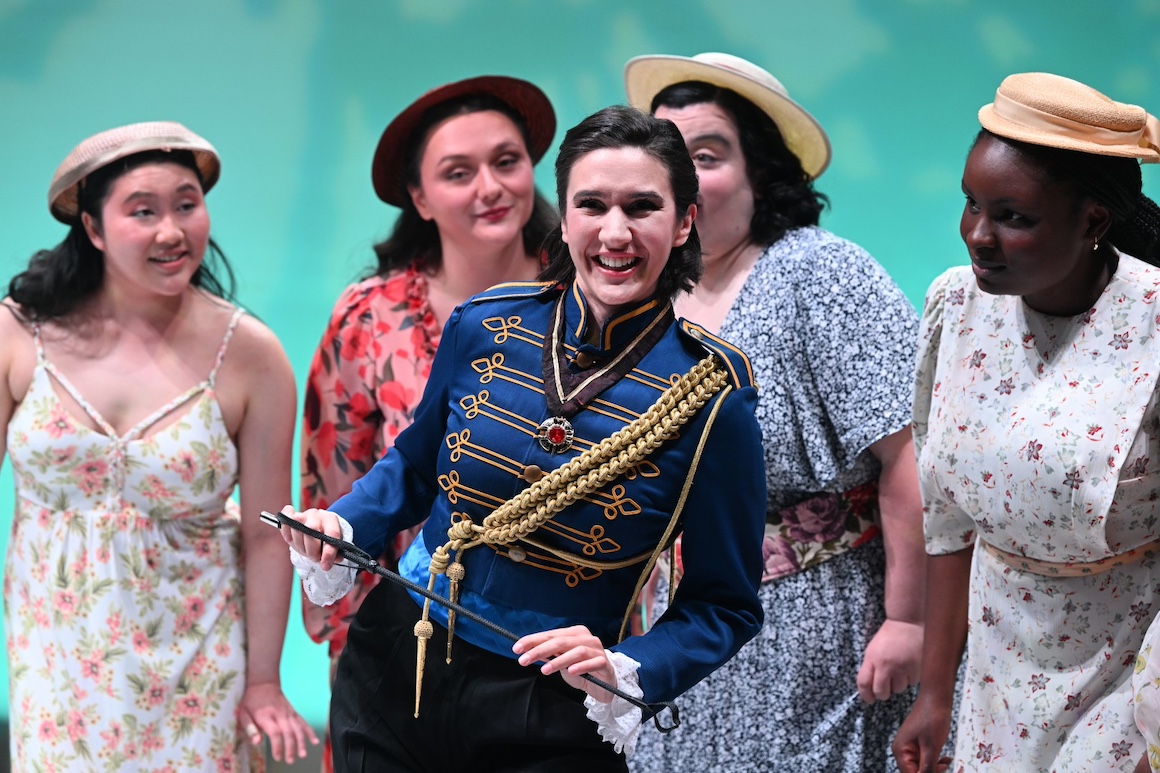
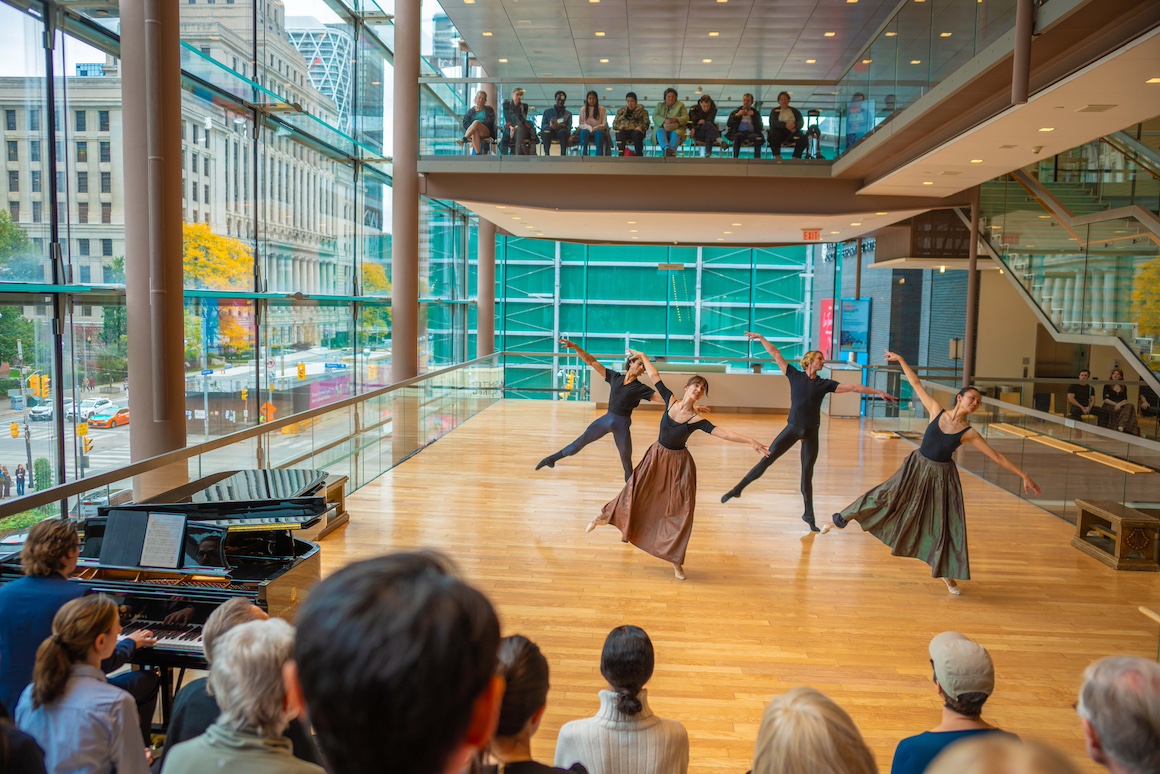
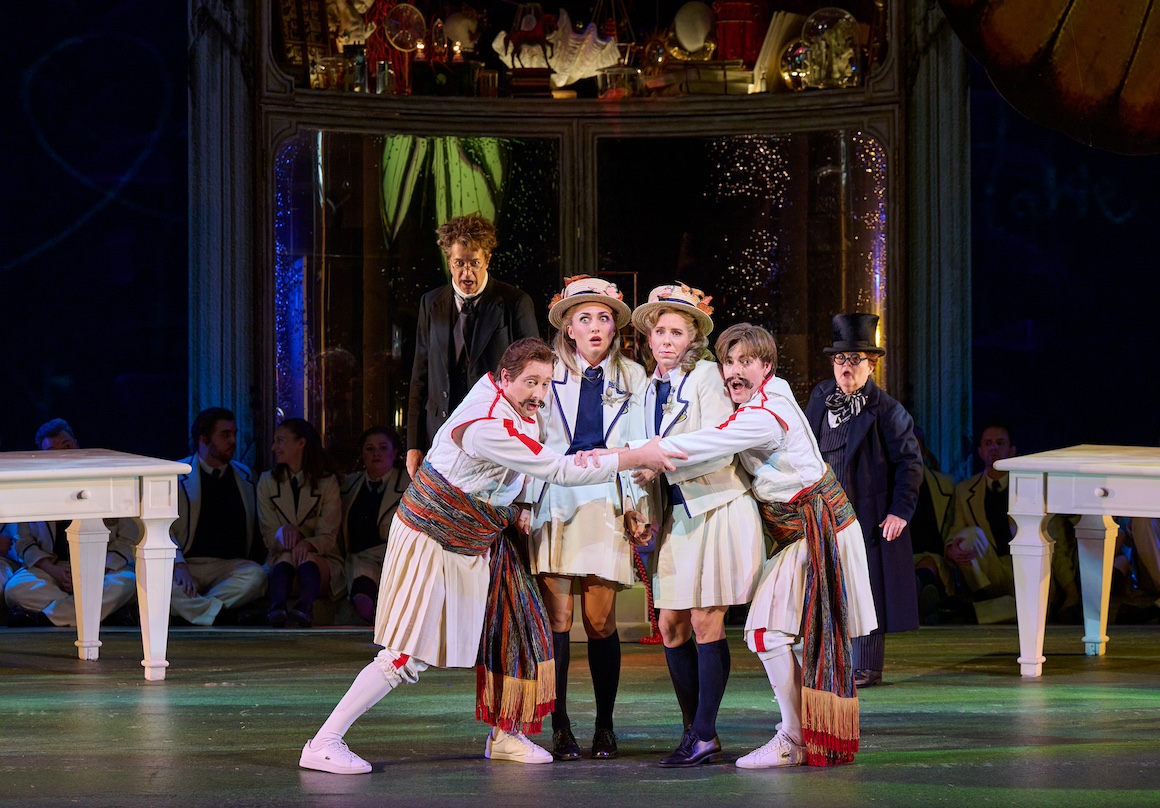
 Winners of the Eckhardt Grammatée competition, soprano Aemilia Moser and pianist Sabina Rzazade, gave a recital in Walter Hall on Tuesday at lunchtime. It was unusual! The material was all contemporary, much of it Canadian, and almost all of great difficulty. It was also divided into sets with the components of each set run without a break. Fortunately Aemilia’s program notes were excellent!
The first set started with Harry Somers’ Loon Cry, Night Call which evokes loon calling across a lake and was followed by Kaija Saariaho’s difficult and dramatic setting of one of Ariel’s speeches from The Tempest. Cecilia Livingston’s setting of Whitman’s The Dismantled Ship completed the watery theme with a piece that combined a sustained vocal line with some very sparse but intricate piano. What was obvious by the end of the first set was that this was going to be as much a dramatic performance as an art song recital.
Continue reading →

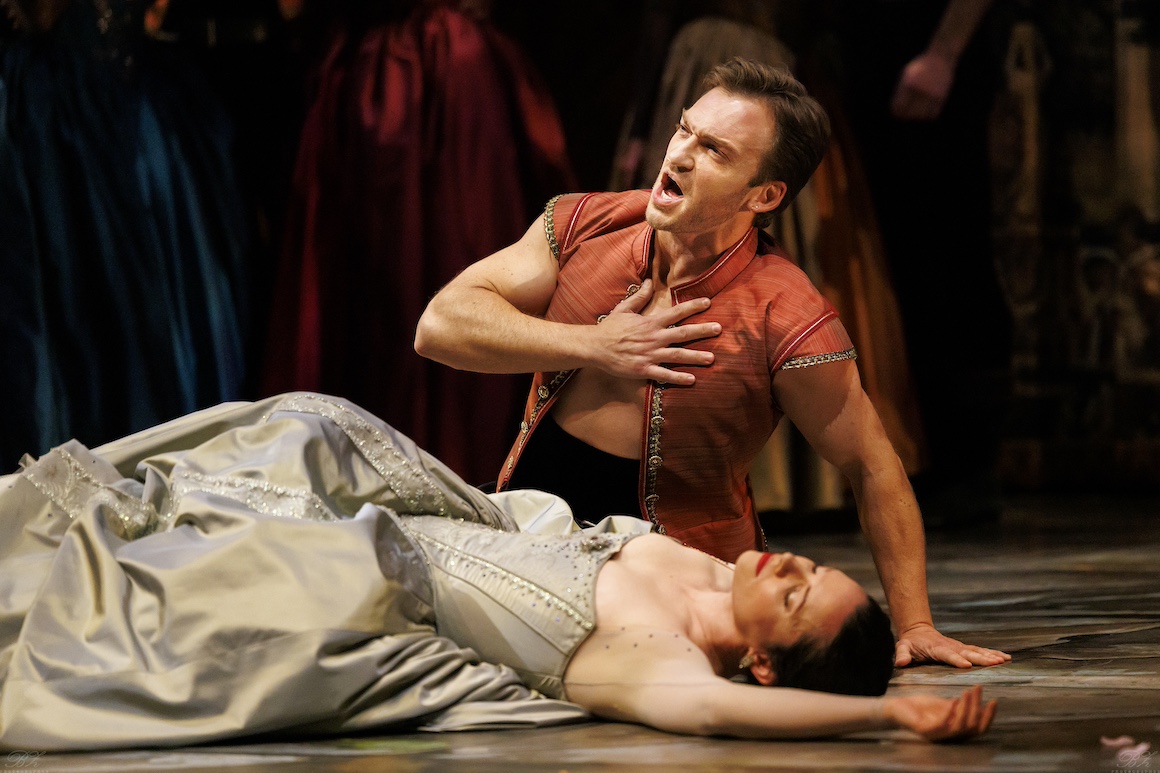
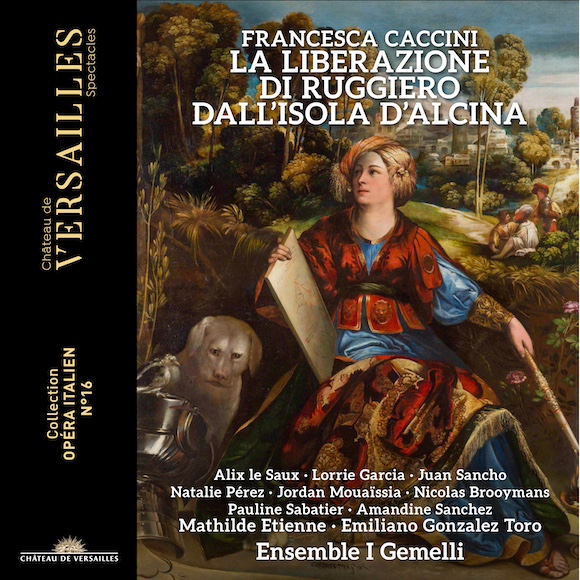 The work under consideration here is Francesca Caccini’s Il liberazione di Ruggiero dall’isola d’Alcina. Written as a court entertainment in Florence in 1625 it’s almost certainly the first work of its kind by a woman. It was commissioned by the two female regents of Florence; Christine of Lorraine and Maria Maddalena of Austria, for the visit of Wladyslaw, Prince of Poland and Sweden. Can it really be thought of as an opera though? It’s from that period when gentlemanly (and ladylike) scholars were trying to reconstruct what they believed Classical Greek drama had been like, though in this case the theatrical elements are mixed with dances (that would have been performed by the ladies and gentlemen of the Court) and even an equestrian ballet which might prove tricky in a modern opera house!
 Music – concerts and opera
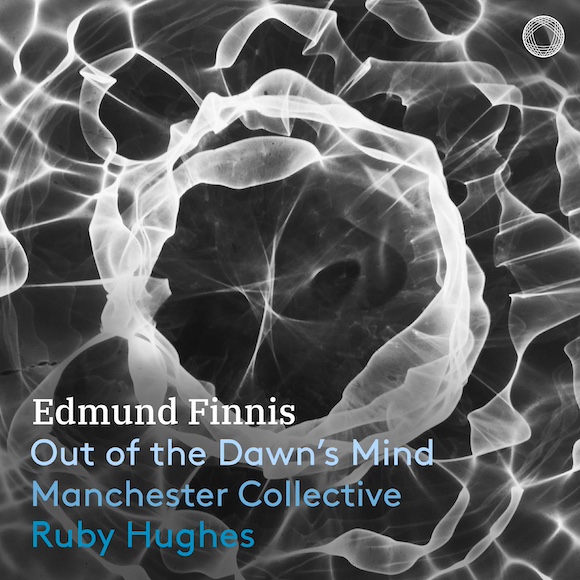 Out of Dawn’s Mind is a setting, by Edmund Finnis, of five poems by Alice Oswald. It’s scored for soprano (here Ruby Hughes) and string orchestra (here the 17 strong The Manchester Collective; dir: Rakhi Singh). The poems deal with light, water, time and the experience of coming into contact with the world. The feeling is intimate and meditative. The vocal line is high but quite relaxed in tempo. The accompaniment is elegiac with brooding and shimmering patches. It’s rather beautiful but not at all dramatic.